Your roof is one of the most important components of your home, protecting the structure, insulation and interior from rain, wind, heat and other environmental conditions. Yet many homeowners pay little attention to their roofs until a leak appears or visible damage becomes impossible to ignore.
By that point, a relatively small roofing issue may have already developed into a more expensive repair. Loose shingles, deteriorating flashing, damaged sealants and other early warning signs can go unnoticed from the ground, allowing moisture to enter the roofing system over time.
For homeowners in The Woodlands and the Greater Houston area, regular roof inspections are especially valuable. Intense summer heat, heavy rainfall, high winds and hail can all affect roof performance, sometimes in ways that are not immediately visible.
A professional roof inspection helps identify developing problems, assess the condition of roofing materials and provide a clearer picture of what your roof may need next. Whether you own an older home, recently experienced a storm or simply want to protect your investment, understanding the value of routine roof inspections can help you make better maintenance decisions.
What Is a Roof Inspection?
A roof inspection is a professional evaluation of a roofing system’s condition. It examines visible materials, vulnerable areas and signs of wear or damage to help determine how well the roof is performing.
Unlike a quick visual check from the driveway, a professional inspection focuses on details that can reveal developing problems before they lead to leaks or structural concerns.
What Does a Roof Inspection Include?
The exact process depends on the roof’s design, materials, accessibility and condition. However, a thorough roof inspection typically evaluates several important areas:
- Roofing materials: Shingles, metal panels or other roof coverings are checked for damage, deterioration, displacement and wear.
- Flashing and penetrations: Areas around chimneys, vents, pipes and other roof openings are examined for separation, deterioration or potential water entry points.
- Roof valleys and transitions: Locations where water collects or changes direction are evaluated for signs of damage or drainage problems.
- Fasteners and sealants: Accessible components are checked for loosening, deterioration and other issues that may compromise the roofing system.
- Drainage components: Gutters and related drainage areas are reviewed for conditions that could contribute to water accumulation or improper runoff.
- Signs of moisture intrusion: Visible staining, damaged materials and other indicators of possible leaks are considered when assessing the roof’s condition.
Depending on the circumstances, an inspector may also examine accessible attic areas or interior locations for evidence of moisture intrusion. Not every issue is visible from the roof surface, so evaluating the available evidence can help build a more complete understanding of the system.
Texas Engineered Roofing provides professional roof inspections designed to help homeowners understand existing conditions, identify developing concerns and determine which issues require attention.
How Often Should You Schedule a Roof Inspection?
There is no single inspection schedule that works for every roof. The appropriate frequency depends on the roofing material, age, maintenance history, local weather exposure and any previous problems.
As a general maintenance practice, homeowners should consider having their roofs professionally inspected about once a year, along with additional inspections when significant weather or other events may have caused damage.
Annual Roof Inspections Help Track Changes Over Time
Roofing problems do not always develop suddenly. Repeated exposure to heat, moisture and wind can gradually affect materials, fasteners and sealants. An annual inspection can help identify these changes and establish a record of the roof’s condition.
Regular inspections are particularly useful when:
- Your roof is approaching the later portion of its expected service life.
- You have noticed loose, damaged or missing shingles.
- Previous repairs have been completed.
- Your property has experienced recurring leaks.
- You want to plan maintenance before problems become urgent.
An inspection does not mean that repairs are automatically necessary. In some cases, the findings may indicate that the roof is performing as expected and no immediate work is required. The benefit is having a clearer understanding of its condition rather than relying on assumptions.
Signs Your Roof Needs a Professional Inspection
Although routine inspections are valuable, certain warning signs should prompt homeowners to arrange an evaluation sooner. Paying attention to changes around your home can help you recognize when the roof may need professional attention.
Water Stains or Leaks Inside the Home
Brown ceiling stains, peeling paint, damp drywall and unexplained moisture in the attic can indicate a roof leak. Water may enter through damaged shingles, deteriorated flashing or vulnerable roof penetrations before traveling along framing or other materials.
The location of an interior stain does not necessarily identify the source of the leak. Water can travel away from the point where it enters the roof, making a professional assessment useful for identifying the underlying problem.
If you discover an active leak, address the issue promptly to limit further water damage. Texas Engineered Roofing offers roof repair services to help identify and correct roofing problems.
Missing, Cracked or Curling Shingles
Shingles can deteriorate with age and weather exposure. Missing shingles leave underlying materials more vulnerable to moisture, while cracked, curling or displaced shingles may indicate that the roof is experiencing wear or damage.
After strong winds, inspect your property from the ground for visible changes. Do not climb onto the roof yourself, especially when surfaces may be wet or unstable.
An inspection can help determine whether isolated repairs are sufficient or whether more widespread deterioration requires a different approach.
Granules Collecting in Gutters
As asphalt shingles age, they can lose protective granules. Some granule loss is expected over the life of a roof, particularly as new shingles shed excess granules. However, substantial or increasing accumulation can indicate accelerated wear.
If you notice unusual amounts of granules in your gutters or at downspout outlets, consider having the roof evaluated. The inspector can assess whether the shingles are aging normally or showing signs of more significant deterioration.
Keeping drainage systems clear also helps protect the roof and surrounding property. Texas Engineered Roofing provides gutter and gutter guard services to help manage rainwater runoff.
Sagging Areas or Visible Structural Changes
A roofline that appears uneven or a section of the roof that seems to be sagging deserves prompt professional attention. These changes may be associated with structural concerns, prolonged moisture exposure or other underlying problems.
Do not attempt to investigate a sagging roof by walking on it. If you suspect structural instability, keep people away from the affected area and seek professional guidance promptly.
Damage After a Severe Storm
Texas storms can expose roofs to hail, high winds, wind-driven rain and flying debris. Even when damage is not obvious from the ground, shingles, flashing and other roofing components may have been affected.
Consider scheduling an inspection after a significant storm, particularly if nearby properties have sustained visible damage or you notice changes around your home.
Texas Engineered Roofing offers storm damage roofing services to help homeowners assess potential damage and determine appropriate next steps.
Why Roof Inspections Are Important in Texas
The Texas climate creates several challenges for residential roofing systems. In the Greater Houston area, heat, humidity, intense rainfall and severe storms can place repeated stress on roofing materials throughout the year.
Understanding these conditions helps explain why roof inspections are an important part of home maintenance.
Heat and Temperature Changes
Roofing materials are exposed to prolonged sunlight and high temperatures during the summer. Repeated heating and cooling can contribute to material movement, deterioration of sealants and changes in how roofing components fit together.
These effects are not always immediately visible. An inspection can identify signs of wear and help homeowners understand whether particular areas may need monitoring or maintenance.
Heavy Rainfall and Humidity
Frequent rainfall can reveal weaknesses in flashing, roof valleys, drainage systems and other areas where water must be directed away from the structure.
When moisture enters a roof assembly, it can affect insulation, wood components and interior finishes. High humidity can also complicate moisture management in attic spaces.
Inspections can help identify visible conditions that may allow water intrusion and determine whether additional evaluation is needed.
Hail and High Winds
Hail can damage shingles and other roofing materials, while strong winds may loosen shingles, damage flashing or displace components around roof edges.
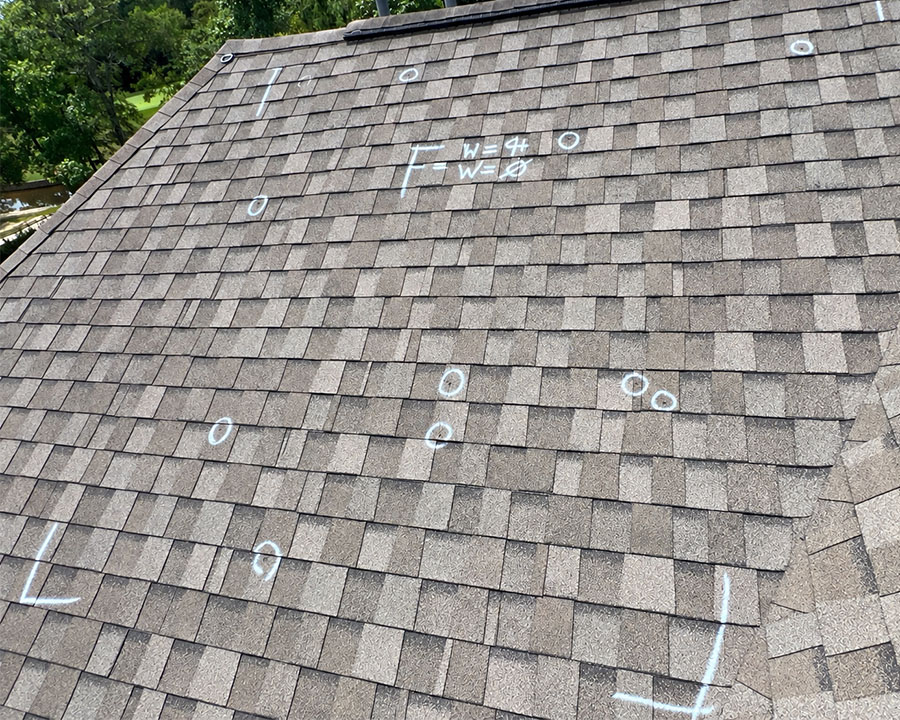
Some storm damage is difficult to identify from the ground. A professional inspection provides a closer evaluation and documentation of visible findings.
If you suspect storm damage, avoid assuming that every roof problem requires replacement. The appropriate solution depends on the type and extent of damage, the roof’s overall condition and the findings of the inspection.
What Happens After a Roof Inspection?
One of the most useful aspects of a professional roof inspection is understanding what to do with the findings. An inspection should provide more than a list of damaged components. It should help you understand the condition of your roof and make informed decisions about maintenance, repairs or future replacement.
Understanding the Inspection Findings
After evaluating the roof, a roofing professional can explain observed conditions, identify areas of concern and discuss potential next steps.
Depending on the findings, the recommendations may include:
- Routine monitoring: Minor wear that does not currently require repair may simply need to be checked during future inspections.
- Preventive maintenance: Cleaning or correcting certain maintenance issues may help preserve roof performance.
- Targeted repairs: Damaged shingles, deteriorated flashing or localized leaks may be addressed without replacing the entire roof.
- Further evaluation: Suspected structural issues or hidden moisture damage may require additional investigation.
- Roof replacement planning: Widespread deterioration or an aging roof with significant problems may justify evaluating replacement options.
The purpose is to match the recommended work to the roof’s actual condition. Not every inspection leads to a repair, and not every damaged roof needs immediate replacement.
Roof Inspection vs. Roof Repair
A roof inspection evaluates the condition of the system, while a roof repair addresses a specific problem. The inspection may identify an issue that requires repair, but the two services serve different purposes.
For example, an inspection might reveal deteriorated flashing around a vent. A repair would then focus on correcting that vulnerable area to reduce the risk of water intrusion.
If the inspection identifies damage, professional roof repairs can help address the problem before it leads to more extensive damage.
Roof Inspection vs. Roof Replacement
A roof replacement involves removing and installing roofing materials, typically when the existing system has reached the end of its useful life or sustained damage that makes replacement the more practical option.
An inspection helps determine whether replacement is necessary or whether maintenance and repairs can reasonably extend the roof’s service life.
If replacement appears appropriate, a professional can explain the condition of the existing roof and discuss the available options. Learn more about roof replacement services from Texas Engineered Roofing.
Can a Roof Inspection Help With an Insurance Claim?
Roof inspections can be useful after a storm when homeowners need to understand whether their property has sustained damage. An inspection may document visible conditions and help identify areas that warrant further evaluation.
However, a roofing inspection and an insurance company’s coverage determination are not the same thing. An inspection does not guarantee that a claim will be approved or that an insurer will pay for a particular repair or replacement.
What Homeowners Should Know About Storm Damage Claims
If you suspect storm-related roof damage, consider taking the following steps:
- Document visible damage from the ground and photograph any interior water stains.
- Arrange a professional roof inspection to assess the roof’s condition.
- Keep records of inspection findings, estimates and any temporary protective measures.
- Review your insurance policy and contact your insurer if you believe a covered event caused damage.
- Coordinate any necessary repairs and documentation with the appropriate professionals.
Avoid making assumptions about the cause of damage or delaying action when water is entering your home. Prompt evaluation can help you understand the situation and reduce the risk of additional damage.
Texas Engineered Roofing provides insurance claims assistance for roofing projects to help homeowners navigate the process and understand the next steps following potential storm damage.
Protect Your Home With Professional Roof Inspections
Your roof protects your home every day, but its condition can change gradually through weather exposure, material aging and ordinary wear. Regular roof inspections help identify those changes, evaluate potential problem areas and provide a clearer understanding of when maintenance or repairs may be necessary.
For homeowners in The Woodlands and the Greater Houston area, inspections are particularly valuable because of the region’s heat, heavy rainfall and exposure to severe storms. Addressing developing issues early can help limit avoidable damage and support better long-term maintenance planning.
Texas Engineered Roofing takes an evaluation-focused approach to roofing, helping homeowners understand what is holding up well, what may need attention and which issues can reasonably wait. Recommendations are based on the roof’s observed condition rather than an assumption that every inspection should lead to major work.
If you have noticed signs of damage, recently experienced a storm or simply want to understand the condition of your roof, consider scheduling a professional evaluation. Visit the Texas Engineered Roofing roof inspection page to learn more and request a quote.